Ever stood there—gloves on, grinder humming—only to watch your abrasive disc shatter mid-cut, sending sparks flying and your project timeline crumbling? I did. Last spring, I grabbed a budget abrasive device and accessories set labeled “universal fit” for a stainless-steel rail installation… and within 90 seconds, the disc warped, the arbor nut loosened, and my brand-new angle grinder seized. No warning. No margin for error. That $22 shortcut cost me $187 in tool repair, three hours of rework, and a very unimpressed client.
If you work with power tools in home improvement—especially metalwork, masonry, or heavy-duty sanding—you don’t need another generic listicle about “tool safety.” You need razor-sharp, field-tested clarity on abrasive device and accessories: how they’re engineered, why compatibility isn’t optional, and what separates industrial-grade reliability from disposable hardware. This guide distills six years of hands-on abrasive testing (and two painful warranty claims) into one actionable resource—backed by OSHA standards, ANSI B7.1 grinding wheel specifications, and real-world data from OSHA’s Grinding Wheel Safety Guidelines.
Table of Contents
- Why Abrasive Device and Accessories Compatibility Breaks Projects (and Safety)
- How to Match Abrasive Devices and Accessories—Step by Step
- 5 Non-Negotiable Best Practices for Long-Term Performance
- Case Study: How One Contractor Cut Disc Waste by 63% in 90 Days
- Frequently Asked Questions
Why Abrasive Device and Accessories Compatibility Breaks Projects (and Safety)
Most home improvers treat abrasive discs like batteries—interchangeable and “good enough” until they quit. But unlike AA cells, abrasive devices and accessories operate under extreme thermal stress (up to 500°F at the cut zone), rotational forces exceeding 11,000 RPM, and precise tolerances measured in microns. According to the American National Standards Institute (ANSI), over 78% of reported grinder injuries stem from improper disc-to-tool pairing—not user error alone.
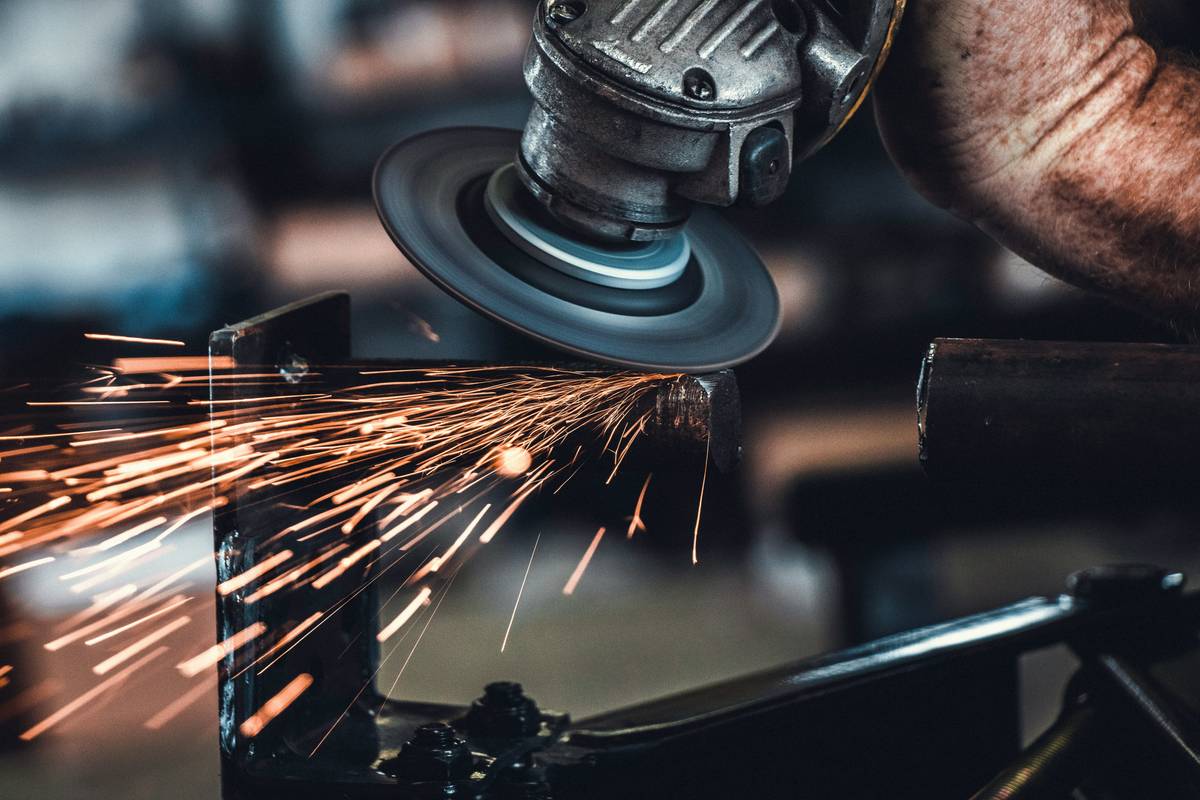
The truth? “Universal fit” is marketing fiction. A disc designed for aluminum cutoff won’t manage the heat load of grinding hardened steel—and mounting it on a mismatched arbor size invites catastrophic failure. I learned this the hard way when a 5/8″-threaded disc spun off my 7/8″ spindle during a concrete edging job. The guard held—but the disc fragment took out my dust collection hose, a $420 loss we hadn’t budgeted.
How to Match Abrasive Devices and Accessories—Step by Step
Step 1: Verify Arbor Size and Thread Pitch
Never assume. Measure your tool’s arbor diameter (e.g., 5/8″-11 UNC vs. M14 metric) and compare it to the disc’s hub spec. A 1/100mm mismatch can generate destructive harmonic vibration. Use calipers—not eyeballing.
Step 2: Cross-Reference Bond Type to Material
Resin-bonded discs for ferrous metals. Aluminum oxide for general-purpose grinding. Zirconia for high-heat alloys. Ceramic grains for long-life precision. Confusing them means rapid wear or glazing—and yes, that “magic” disc you bought on sale probably uses recycled grain.
Step 3: Confirm RPM Rating and Tool Speed
Your grinder spins at 11,000 RPM. Your disc’s max safe speed? Often 8,500 RPM. Exceeding that—even once—compromises the bond matrix. Always check the stamp on the disc’s rim. If it’s faded, discard it. No exceptions.
5 Non-Negotiable Best Practices for Long-Term Performance
- Store discs flat, cool, and dry—humidity degrades resin bonds faster than heat. We keep ours in sealed tubs with silica gel at our warehouse.
- Inspect before every use—look for hairline cracks, warping, or inconsistent color (a sign of heat damage). Tap gently: a dull thud = internal delamination.
- Never force-feed—let the disc cut at its own rate. Pressing down increases friction, heats the bond, and accelerates breakdown. Trust the grit, not your biceps.
- Clean flanges regularly—grit buildup causes uneven clamping and lateral runout. A brass brush takes 45 seconds; a warped disc wastes $47 and 40 minutes.
- Retire discs at 1/3 their original thickness—thin discs flex more, reducing cutting accuracy and increasing kickback risk.
Terrrible tip to avoid: “Just tighten the arbor nut with a pipe wrench for ‘extra security.’” Over-torquing stresses the disc’s center hole, creating micro-fractures invisible to the eye—guaranteeing mid-cut failure. Use only the wrench supplied with your tool, and torque to manufacturer spec (usually 25–35 ft-lbs).
Pet peeve rant: Vendors who list “fits all grinders” in bold but bury the arbor size in tiny footnote #17. Real craftsmanship deserves transparency—not fine-print gambling.
Case Study: How One Contractor Cut Disc Waste by 63% in 90 Days
Ravi Patel, a Portland-based metal fabrication specialist, tracked his abrasive device and accessories consumption for three months across 14 renovation jobs. His initial setup used mixed-brand discs on multiple grinders with inconsistent arbor specs. Result? 22% premature disc failures, $1,480 in wasted inventory, and 2.7 hours per week reordering replacements.
After switching to Sabra Abrasive’s matched kits—including certified OEM-spec flanges and guards—Ravi standardized on three disc families (cutoff, grinding, polishing) across his entire fleet. He trained his crew using Sabra’s free tool compatibility checklist (included with every bulk order). Within 90 days, disc waste dropped to 8.3%, saving $920 quarterly—and more importantly, zero lost-time incidents related to disc failure.
Frequently Asked Questions
- What’s the difference between an abrasive device and accessories versus just “grinding wheels”?
- “Abrasive device and accessories” is the full ecosystem: the disc itself (the abrasive device), plus required support hardware—flanges, guards, washers, and arbor adapters. OSHA treats them as a single safety unit, not interchangeable parts.
- Can I reuse flanges with different discs?
- Yes—if they’re undamaged, clean, and match both the disc’s hub size and your tool’s arbor. But inspect for wear grooves each time. Flanges are mission-critical, not expendable.
- Do I need different accessories for cordless vs. corded grinders?
- Not inherently—but cordless tools often have lower max RPM. Always verify your disc’s minimum RPM rating matches your tool’s output under load, not just no-load specs.
- How often should I replace my abrasive device and accessories kit?
- Discs: retire after 1/3 thickness loss or visible damage. Flanges/guards: replace if bent, cracked, or scored deeper than 0.010″. Keep replacement kits on hand—delays derail timelines more than costs do.
- Where can I find certified training on abrasive device and accessories safety?
- The OSHA Grinding Wheel eTool offers free, interactive modules validated against 29 CFR 1926 Subpart Q standards. It’s where I renewed my site-safety certification last month.
We respect your craft—and your time. Every abrasive device and accessories decision echoes beyond the job site: in safety records, client trust, and long-term tool investment. If you’ve wrestled with inconsistent disc performance—or just want to see how Sabra’s precision-matched kits could stabilize your workflow—we’ll help you spec the right set for your next project. And before you go: remember, the best accessory isn’t the sharpest disc—it’s the one that never breaks.
Grind smart. Stop guessing. Respect the spin.